

24 February 2024 · Updated 30 April 2026 · By Amanda Conroy

Insight
Buyers Agents and Due Diligence in Queensland
By Amanda Conroy, Founder, Vendee Property Buyers
Why Due Diligence Is the Heart of Buyer-Side Work
Due diligence separates an acquisition that performs from one that becomes an expensive lesson. For property purchases at the value points typical in Noosa, the Sunshine Coast, and the Gold Coast prestige markets, the cost of a missed risk runs into tens or hundreds of thousands of dollars. The cost of finding it before contract is a fraction of that.
This article sets out what forensic due diligence actually covers when Vendee runs an acquisition under the VEPAP nine-step protocol.
The Standard Inspection Is the Floor, Not the Ceiling
A standard building and pest inspection is a starting point. It catches obvious structural and pest issues at the surface level. What it does not catch is frequently what matters most for a buyer at this price band:
- Development approvals buried in council records that will impact the property’s views, light, or amenity
- Body corporate disclosures with material legal exposure not summarised in the standard pack
- Flooding overlays outside the primary scheme
- Bushfire zone classification with insurance implications
- Easements, covenants, and use-right restrictions
- Short-term accommodation eligibility under local planning instruments
- Title encumbrances that would surface only at conveyancing
Vendee’s due diligence framework, the Forensic Risk Index, sets out the categories systematically. It is downloadable as a free reference for any buyer in the market.
The Vendee Due Diligence Framework
Every Vendee acquisition runs through a forensic technical risk audit (VEPAP Step 7) that covers four categories.
Legal
- Title search and encumbrance review
- Easement and covenant analysis
- Body corporate document review (minutes, financials, sinking fund, insurance, by-laws)
- Vendor disclosure analysis
- Special conditions and contract calibration
Financial
- Comparable sales analysis using verified evidence (recent sale data, agent representations cross-checked)
- Land value benchmarks against suburb-level evidence
- Forward-looking demand and capital growth indicators
- Rental yield assessment where relevant
- Holding-cost projection (rates, body corp, insurance, maintenance)
Structural and Physical
- Independent building and pest inspection
- Invasive inspection commissioned where the data warrants
- Structural engineer assessment for elevated, sloped, or coastal-exposed assets
- Termite, water ingress, and roof condition specialist assessment
- Plumbing, electrical, and waterproofing review
Planning and Council
- Council planning history review (DA register, court records)
- Overlay review (flood, bushfire, character, height, density)
- Adjacent parcel DA risk assessment
- Short-term accommodation eligibility (relevant for Noosa investment buyers under the Noosa Plan 2020)
- Council infrastructure and zoning context
Two Documented Examples
The Vendee case library includes two acquisitions where forensic due diligence directly changed the outcome:
- Noosa Heads $300K reduction, a development approval was identified buried in council and court records. Neither the selling agent nor the building manager was aware. Once flagged, the price was reduced by $300,000. Documented in the Noosa Hinterland buyers guide.
- Noosaville termite case, initial inspection flagged dampness and dormant termite activity. Forensic process opened walls, confirmed contained scope, and the sellers covered every remediation cost including a new bathroom. Settlement closed clean. Documented in the Noosa Hinterland buyers guide.
Both engagements are real. Both demonstrate the framework operating against a specific risk category.
Why a Buyers Agent (Not a Selling Agent) Runs Due Diligence
Selling agents represent the vendor. Their commercial obligation is to the seller. They are not structurally positioned to surface findings that would weaken the vendor’s position.
Buyers agents represent the buyer exclusively. The economic incentive aligns with finding the risks, not minimising them. Vendee is paid by the buyer. Never by the vendor. No dual agency. No listing inventory. No conflict.
Three Vendee Service Tiers
Every Vendee mandate runs under one of three structures, all running under the VEPAP framework:
- VEPAP Full Service, all nine VEPAP steps from mandate through to settlement.
- VEPAP Targeted Acquisition, buyer has the property; Vendee runs valuation, due diligence, negotiation, and settlement.
- VEPAP Bid & Negotiate, auction representation only.
Frequently Asked
What is property due diligence?
The systematic investigation of a property’s legal, financial, structural, and planning status before contract becomes binding. The objective is to identify and price every material risk before capital is committed.
How long does Vendee due diligence take?
Forensic due diligence typically runs over a 14-21 day period after contract is signed conditional on the investigation. Complex acquisitions (acreage, body corporate, planning issues) can extend the window. Simple acquisitions can compress it.
What is the Forensic Risk Index?
Vendee’s documented due diligence framework, available as a free PDF download. It sets out the categories assessed on every Vendee acquisition.
Can I do due diligence myself?
You can run the standard inspections, request the body corporate pack, and read the vendor disclosure. What you cannot easily do without industry experience is identify what is missing or buried, and you cannot run an adversarial negotiation against the findings. The forensic step is where representation pays for itself.
What does a Vendee due diligence engagement cost?
Vendee fees are scoped against mandate complexity and disclosed in writing before engagement. The cost is a fraction of the value protected when forensic work surfaces a material issue.
Ready to Engage
The starting point is an Asset Acquisition Strategy Briefing with Amanda Conroy directly. Approximately 30 minutes. No fee. The briefing assesses fit between your acquisition mandate and Vendee’s engagement model.
Book a briefing or contact Vendee Property Buyers.
Related Reading

About the Author
Amanda Conroy
Founder & Principal Buyers Agent · REIQ Member
Amanda Conroy is the founder of Vendee Property Buyers, a Noosa and Sunshine Coast specialist buyer's agency. She is a licensed buyer's agent (Individual Licence 4710727) and a member of the Real Estate Institute of Queensland (REIQ), with a 20-year career across property development, investment, and acquisition spanning South East Queensland, interstate, and international markets.
Across her career she has personally overseen over $100 million in completed transactions and 100-plus property acquisitions. Vendee operates exclusively on the buyer's side: paid by buyers, never by vendors. No dual agency. No conflict.
Before you commit
The Forensic Risk Index
The due diligence framework Vendee applies to every acquisition. Planning overlays, pest and structural risk, title and legal exposure, body corporate history. The research layer most buyers miss.
No spam. Unsubscribe anytime. We never share your details.
Related
Continue reading
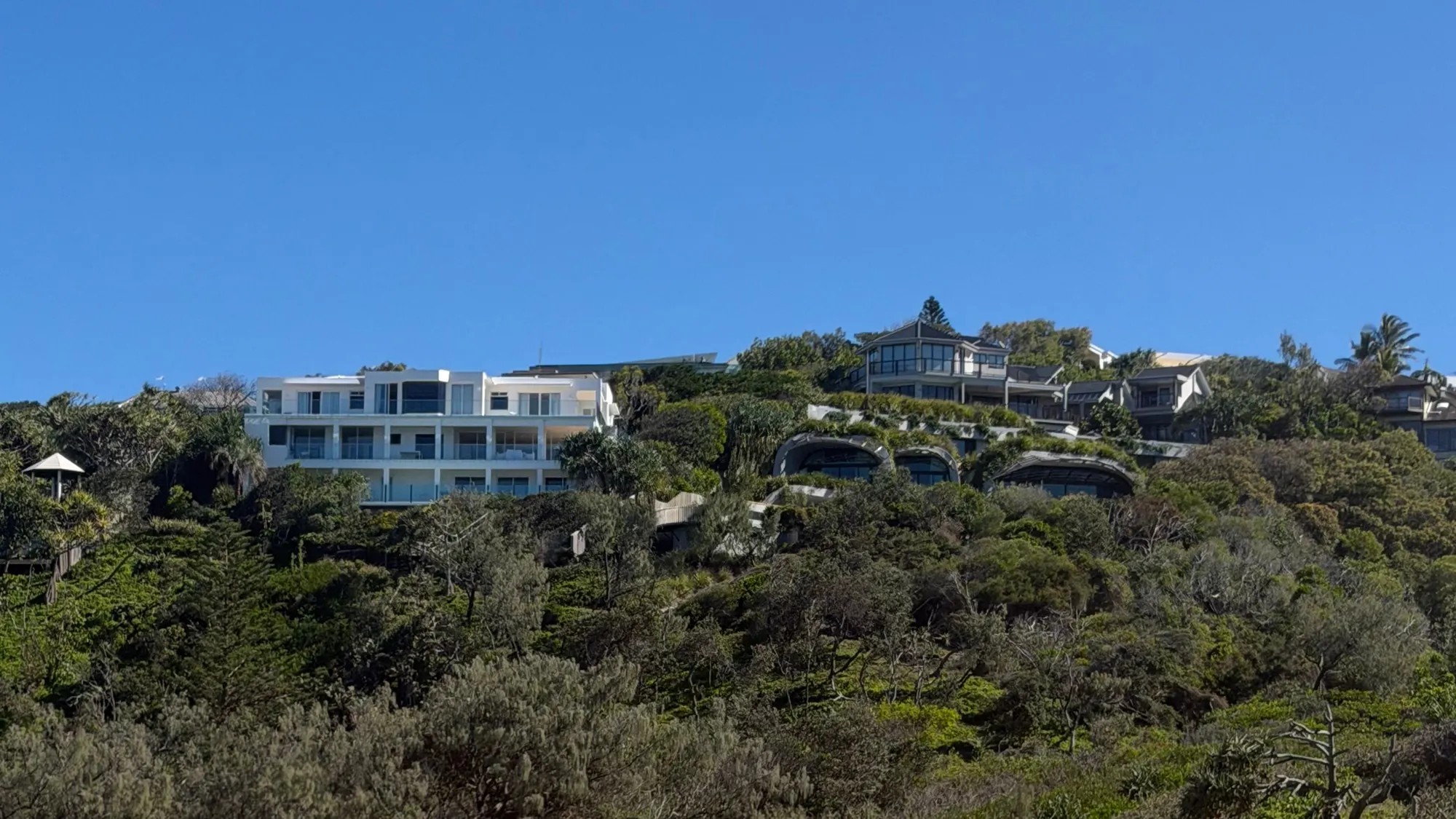
Sunshine Beach Property Acquisition: A 2026 Forensic Playbook
Sunshine Beach buyer's playbook. Cotality $2.57M median (Feb 2026 release), $34M Queensland record, Amendment 2 short-stay reset.
Buying Property in Noosa From Interstate: What Victorian Buyers Need to Know
Queensland contracts and auctions work differently from Victorian ones. Cooling-off, disclosure, reserves and risk, explained by a Noosa buy...

Navigating Sunshine Coast Property Investment
Sunshine Coast and Noosa property acquisition: why local expertise, forensic due diligence and buyer-side representation matter.
Service Page
Noosa Shire Suburbs →Direct service detail, area coverage, fee structure, and the full VEPAP nine-step protocol.
Schedule a Briefing
"If you're considering an acquisition in our markets, the briefing is the right first conversation."
Book a Briefing